C.H.E.F. Challenge Takes Root in Arkansas & Tennessee

Written by: Abby de Riel

The C.H.E.F. Challenge — Children’s Health through Education and Food — has taken root this summer in Arkansas and Tennessee. Developed by Healthy Flavors, a family farm and business in the two states, the C.H.E.F. Challenge is a Farm to School initiative that aims to connect communities, classrooms, and cafeterias across the mid-south by facilitating more scratch cooking in school cafeterias and kids’ engagement in locally sourced food. 

With a two-year grant from the United States Department of Agriculture that began in the fall of 2024, Healthy Flavors engaged Wellness in the Schools to bring our years of experience and expertise to advise on their programming in the Mid-South. This fall, the program will be implemented in Cabot, Little Rock, and North Little Rock school districts in Arkansas and Bradford, Milan, Trenton, and Weakley school districts in Tennessee, for a total of 17 schools. 

We hired two Chef Ambassadors to lead the work in schools on a daily basis. Chef April Alderson will represent schools in Arkansas, bringing to us her 20 years of experience in school food and extensive experience with child nutrition. Chef Cale Meador will represent the Tennessee schools, coming from Atlanta with experience in restaurants, catering, hospitality, and, more recently, culinary training and student education on healthy cooking. Both are passionate, talented chefs who are excited to dive into school kitchens and build communities.

Chefs Cale Meador (left) and April Alderson (right) in a NYC public school kitchen

We welcomed Chef Ambassadors April and Cale, along with Dan and Karen, to New York City this May for an on-the-ground, 8-day training experience. The chefs traveled to different NYC public schools to observe WITS Chefs in action: WITS Chef Teak Nam leading a recipe sampling of Lentil Bolognese at P.S. 191 in the Bronx, WITS Chef Lou Foy training school cooks in the kitchen and preparing a salad bar full of fresh ingredients and composed salads at P.S. 335 in Brooklyn, and WITS Lab Instructor Victoria Baluk making an Apple Citrus Pico de Gallo recipe in the classroom with kids at P.S. 166 in Manhattan. April and Cale tried their hand at teaching students how to hold a knife to cut apples and spoke with students in the cafeteria to hear their feedback on the new recipes being served. They observed our “secret sauce”   – WITS Chefs creating a unique, supportive relationship with their cooks in their kitchen, as no school environment is the same, but the training methodologies remain intact.

Karen, April, and Cale with WITS Chef Lou in front of her salad bar in Brooklyn, NYC

Now, the chefs are back in the mid-south implementing their learnings and taking root in their school communities. They have hit the ground running by meeting all of their schools, Principals, Innovation Directors, Teachers, and Cafeteria Managers, building the relationships and trust for the upcoming year. Chef Cale has met with several of the Child Nutrition Directors in his schools to develop a collaboration plan and start arranging freezer space for ingredients. Because many of his schools are open this summer, he is diving into recipe development, supporting the recipe data system, and providing kitchen staff with basic culinary skill training ahead of the new recipes and training. Chef April is working on recipe development and administrative support, and will commence culinary training once more of her schools open in advance of the first day of school. 

The team has newly completed their first round of recipe development at the Brightwater Institute of Arkansas, tailoring their recipes to elevate nutrition and local produce that can be featured in school meals. This season, the Healthy Flavors farm is producing a lot of butternut squash and purple hull peas, which provide the seed from which the recipes grow (pun intended). During this process, Karen shared, “The challenge is that a lot of current school food options are heat-and-serve and have ultra-processed foods inside of them. We want to use fresh ingredients from the farm that have more nutrients to benefit students’ health.”

The Chef Ambassadors have chosen four recipes to focus on for inclusion on lunch menus: Butternut Squash Mac and Cheese, Roasted Butternut, Pea Street Tacos, and Bulldog Caviar. These recipes are collaborations, mid-south style. The Butternut Squash Mac and Cheese recipe was made by a WITS Chef. Roasted Butternut is a WITS Lab recipe. Bulldog Caviar is a play on a Cowboy Caviar Salad recipe developed by WITS. Chefs April and Cale are now working with available produce and seasonings that can make these recipes their own. Chef Cale expressed his excitement, saying, “We’re putting butternut squash, grown on farms in Arkansas, into mac and cheese, something that kids will readily eat whenever they can!” 

Chef Ambassador April developing new recipes at Brightwater in Arkansas

Chef April has found the recipe development process equally exciting. She remarked, “The benefit of developing recipes at Brightwater is having students here to taste-test the new recipes this summer. In our first tasting of the Butternut Squash Mac and Cheese, the kids wanted us to make it more savory. So, we added a few more spices to it.” Paprika, turmeric, garlic, onion, and black pepper are some of the flavor notes students will be able to taste on the lunch menu soon. 

Students in select schools in Arkansas and Tennessee will have the chance to taste ingredients and produce they may not have had before. With this Farm to School program, success with recipes in a handful of schools will support the local farms to increase their production of produce, growing both factors at the same time. Dan reflected, “A lot of the food, especially fresh ingredients that are grown in America, are grown in California or Florida because of the food system we have in place. The C.H.E.F. Challenge is an opportunity for farmers to understand they can play a role in this food system and that there is somewhere for their produce to grow — not just farmer’s markets, but schools. Though the transition will take some time and systemic change, particularly due to the effects of climate change and the pandemic on our supply chain, our local populations must be able to depend on food grown locally. We’re trying to show the way.”

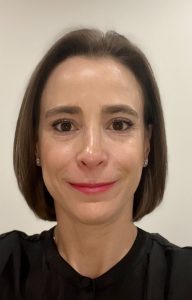
Meet Vanessa Cruz, New ScratchWorks Program Manager

Written by: Abby de Riel

This summer, we welcomed Vanessa Cruz to join our ScratchWorks collective as a full-time Program Manager. This new position will propel our work even further: ScratchWorks is now a collective of over 150 participants representing over 130 school districts nationally, all committed to learning and working together to cook more school meals from scratch. Joining us from over three years at the Whole Foods Market Foundation, Vanessa has learned and deeply supported ScratchWorks’ operations. We introduce you to Vanessa in a lightly edited interview below. Welcome, Vanessa! 

What brought you to ScratchWorks? 

I first got involved with ScratchWorks in 2023 while working at the Whole Foods Market Foundation, helping to support the Inaugural ScratchWorks Gathering in Austin. Over the last two years, I’ve watched ScratchWorks grow and reach a tipping point — one that needed someone fully dedicated to keep the momentum going. I’m incredibly grateful I was given the opportunity to step into that role. 

What I love most about ScratchWorks is the people. There’s a real sense of community here. My favorite part of the job is connecting folks who need each other to do the real work — feeding kids healthy meals every single day. 

Why are you so passionate about wellness and scratch cooking? What does “wellness” mean to you? 

I grew up in one of the most unhealthy cities in the United States, so I saw firsthand the consequences of poor nutrition on the body in my community and in my own family. This propelled me to pursue an undergraduate degree in Nutrition, then a Master’s in Public Health, and become a registered dietitian, so I could help communities and families like mine build healthier futures. For me, wellness means being in tune with your own health and having the freedom to make the best choices to support your wellbeing. 

With a Master’s in Public Health and a dietetic internship under your wing, what advice would you give to other students aspiring to go down this path? 

I am so relieved that I decided to do an MPH so that I could have a really well-rounded education to my very heavy science undergraduate degree. I would advise any aspiring dietitians to consider an array of Master’s programs beyond a Master’s of Science and all the fields of practice they can work in. 

What project are you most looking forward to with ScratchWorks? 

I’m especially excited about launching our new online community platform. It will give participants a space to stay connected beyond the in-person gatherings. A place where they can share ideas, lean on each other, and continue learning together. That ongoing support network is going to be a game-changer. 

What is the best piece of advice you’ve received from a ScratchWorks participant? 

One piece of advice that stuck with me came from a ScratchWorks participant who said, “It’s all about the kids.” It sounds simple, but keeping them at the center of work brings purpose and joy into everything I do. 

What is your favorite wellness practice? 

My favorite wellness practice is to go on long walks with an audiobook and my dog. 

What is your favorite meal or healthy snack to make (scratch-cooked)? 

My favorite meal to make from scratch is a childhood favorite of mine, arroz con pollo, which always brings back great memories of my aunt making sofrito from scratch. 

Raising a Movement: 20 Years of Feeding and Fueling a Future

Written by: Nancy Easton

20 Years. It’s interesting how I remember those initial years so well — principals and parents and teachers by our side, encouraging us to advocate for salad bars and more fresh entrees on school lunch menus; more time for recess and play; and nutrition and fitness education in the classroom. We became the engine for change because we had a vision for something better for our kids. We were driven, we had a force behind us and we knew that school districts needed significant resources and support to be examples for health and well-being. We were going to change the world! 

It was so different then. We were learning in real time, implementing and developing programming all at once. I was an educator, a parent and a bit of a social justice advocate. I knew our children, all children, deserved better, and while I didn’t have a roadmap, I had a fire and lots of fellow parents and principals who wanted change. And, I knew food service directors and school personnel needed much more support and systemic change to see their goals come to life.

I was raising three young children who were growing up alongside Wellness in the Schools. I remember so vividly working all day at an elementary school, then spending hours in the playground with my kids, strategizing with other parents while our kids went up and down the slide 1,000 times, then finally working late into the evening once my kids were asleep to design our Wellness in the Schools programming. Good thing one of our most ardent and influential advocates was Chef Bill Telepan, and his restaurant hours mimicked our late-night, babies-in-bed hours.

Before we knew it, Michelle Obama was our First Lady and she was advocating for our very vision! Jamie Oliver was talking about school meals on U.S. television. Ann Cooper was making waves as the Renegade Lunch Lady. We had a platform. We were no longer the crazy moms, breastfeeding our babies on the playgrounds of NYC; we were suddenly on a mission that aligned with the First Lady of the United States of America! 

The remaining years are a blur. My kids were now 8, 5 and 2, and districts were knocking on our door. They wanted more scratch-cooked items on their menus, they wanted nutrition education, they wanted more movement in their schools, and more fitness education. We put our heads down, developed programming to meet the needs and the goals of our districts, and before we knew it, we were the experts — speaking on panels, leading efforts to advocate in Washington, D.C. for increased funding for the Child Nutrition Reauthorization Act. And we were beginning to see our hard work pay off with changes on school menus and movement on the recess yards.

I liken this period to raising my kids — all of a sudden, those long exhausting days turn into a blur of school and playdates and sports events and music lessons and suddenly they grow up and turn into these amazing, thriving young humans. It’s an emotional time for me. As Wellness in the Schools turns 20, I turn 60, and I watch my babies (all of them) turn into adults. I once again learn to become comfortable with the unknown. I am in some ways more uncertain than ever as to what the future brings for our space, as I am uncertain as to what each of my children will become and will contribute to this world.

As I reflect on 20 years of our success, there is absolutely zero question in my mind that we are here today because of the many people who believed in us, who pushed us to be the change agents for the better. There is so much truth to the statement that it takes a village. Our village was (and still is) just so incredibly bold and broad and diverse and committed. This note is a bit of a love letter to all of those who have inspired and supported us over the years. First, those early “crazy” moms and principals, then those early districts and donors who took a chance, and finally the team members and chefs and coaches who have worked for the organization over the 20 years – many of whom are still with us today. It is all of these relationships that define the beauty and the layers of who we are. So many of our donors and board members have been with us from the very beginning, believing in us even before we were sure we believed in ourselves. They continue to be our most ardent supporters, sharing our work in a ripple effect outward. I am truly so indebted to you all, and I won’t mention names here as I would be significantly beyond my allotted word count. There are so many of you, and you have taught me so much about the power of partnership and trust and belief.

We have a damn long way to go. While in many ways it feels like we are suddenly reversing so much progress, we have to hold on to the small victories. As one of our chefs recently shared on a group call — we cannot battle what is beyond our control, but we can help one school cook learn how to prepare a grab-and-go salad with leftover ingredients, and feel extremely proud of the work she is doing to feed children real food. And that is what matters. People talking to people, and people working together to make lasting change.

USDA Budget Cuts Are a Risk Our Children Can’t Afford

Written by: Alexina Cather

Our nation’s school food program, a vital lifeline for the nearly 14 million food-insecure children in America, has a long history dating back to the Great Depression. This program began informally by the government as an effort to fund food programs at schools where children were in need and to simultaneously provide a market for farmers. The government purchased farmers’ crops to stabilize prices and distributed them to schools. The program was not just a means of providing food for children, but also a crucial way to support local farmers and the agriculture sector. 

Since its early days, the school food program has always been about the children and farmers. The U.S. Department of Agriculture (USDA) has managed the program, not the Department of Education (DOE), because it serves both these groups. 

In 1946, President Harry Truman formalized the program by signing the National School Lunch Act. In his signing remarks, he wisely stated, “No nation is any healthier than its children or more prosperous than its farmers.” 

However, the USDA’s recent $1 billion cut to school food programs, farm-to-school initiatives, and food banks is a devastating blow to the very systems that support the health and well-being of our most vulnerable children and communities. At a time when food insecurity and food costs are on the rise, school meals and food banks are a lifeline for millions of Americans. This decision jeopardizes efforts to ensure every student has access to nutritious meals and dismantles critical local food systems that support small and mid-scale farmers. More deeply, these cuts reflect misplaced priorities and a failure to recognize the importance of investing in the long-term health of our nation’s future. 

Food insecurity impacts 17 percent of households with children in the United States. For many of these children, the meals they receive at school are the only nutritious meals they will have each day. School food programs play a critical role in fighting hunger, reducing malnutrition, and ensuring that all children, regardless of their socioeconomic status, have access to the nutrients they need to thrive. Studies show that children who have access to healthy meals at school perform better academically and are healthier overall. These cuts directly threaten those positive outcomes. 

At Wellness in the Schools, we believe that every child deserves access to nutritious, scratch-cooked, and culturally inclusive meals and that these meals should come from sources that support local farmers and the communities they serve. We advocate for policies that strengthen school food programs and support farm-to-school initiatives, ensuring that all students receive fresh, healthy meals that contribute to their overall well-being and academic success. 

Children need healthier environments to live, learn, and thrive, and at Wellness in the Schools, we know those often begin in public school cafeterias. 

Meet the Modern Lunch Ladies

Written by: Abby de Riel

In an ode to Women’s History Month, Wellness in the Schools celebrates its amazing female leaders who are reshaping the future of school food.

Our inaugural Chefs in the Schools Menu Development, Chef Training, and Education program has now been in operation for almost two school years in NYC. Program Managers Laurielle Clark, Stefanie Dević, and Charris Walker serve as the pillars of support for over 60 WITS Chefs facilitating the culinary training aspect of this program on the ground: every school day, WITS Chefs are side-by-side in public school kitchens with cooks training on how to prepare the new scratch-cooked, plant-based, culturally inclusive recipes as they hone culinary skills necessary to cook from scratch at large, such as batch coking, mise en place, and storage and organization.

It takes a good deal of skill and smarts and savvy to manage a first-of-its-kind program. It also takes a lot of compassion, empathy, and wisdom. Read on to hear from Laurielle, Stefanie, and Charris about their approach to school food and raising the next generation.

Laurielle, Stefanie, and Charris with a few of the WITS Chefs in their cohorts

What is your culinary background? 

Laurielle Clark: I attended the Institute of Culinary Education and shortly thereafter worked as a line cook, recipe taster, caterer, and appeared on The Restaurant (one of the first reality TV cooking shows). My culinary journey has taken me places I never dreamed of and I’m blessed to have chosen this path. 

Stefanie Dević: I am a Health Supportive Chef. I graduated from culinary school at the Natural Gourmet Institute and am passionate about getting creative with using nutrient-dense foods in the meals I prepare. It’s one way to heal from within. I continue to work with private clients who have food sensitivities, allergies, and other health issues. 

Charris Walker: One of my first jobs as a teenager was in food service, serving fast food. I enjoyed the energy and fast-paced days in the kitchen. I’ve always been a foodie, was obsessed with cooking shows, and addicted to trying to replicate recipes I had seen on TV. I fell in love with cooking and creating food with my grandmother, parents, and extended family. That led me to Johnson & Wales University where I studied Culinary Arts and Food Service Management. I cooked in university dining halls and hotels, and then spent the majority of my career in food service management. 

What brought you to this work at Wellness in the Schools?

LC: After working in the food space for many years, I wanted to redirect my career into something more tangible where I could support the impact on our future leaders. I was approached with an opportunity to volunteer with Wellness in the Schools, and here I am 15 years later, evolving and continuing to make lasting impressions on our future leaders. 

SD: I joined Wellness in the Schools after feeling burnt out from the long, grueling hours in the restaurant and catering world. I also worked as a consultant and a private chef, but really wanted to reach more people and spread the word about healthy food. 

CW: When I was looking for a job and saw a posting for Wellness in the Schools, I knew it was the meaningful, fulfilling work I had wanted to be part of — it resonated with me and I’m grateful to be working with such an incredible organization. 

Having spent time in hundreds of kitchens across NYC, mentoring dozens of WITS Chefs, what are the most rewarding and challenging aspects of this job? 

LC: The most rewarding: putting lots of smiles on people’s faces! Meeting new people every day, and learning about someone’s culture through food and how it shapes them now. What’s more difficult is encountering people who don’t want to learn or grow. 

SD: It’s a joy to see students get excited about trying new foods. We know that many students in NYC aren’t always eating well-balanced meals at home, so the work we do in schools is very important for their well-being. The education part of this job is what I am most passionate about — when you teach a student, it goes far. They share their newly found food education with their friends and family members. I feel called to this meaningful work and I continue to be inspired by the chefs and coaches who have decided to join us. The most challenging part of this job is seeing all of the budget cuts to food and how it affects young people. This is a crucial time in their lives, and as a nation, we need to prioritize health and nutrition in our schools for their future. Healthy food is vital for us all to live, learn, and THRIVE.

CW: Being a part of a mission to serve others that enriches the lives of children to form healthy habits around food, fitness, and wellness is phenomenal. The impact of our work helps shape healthier future generations. Working with like-minded individuals who are driven to constantly evolve and promote learning and growth is amazing too. What’s challenging is managing my time and knowing if I am spending enough time with each WITS Chef during my visits all across the city. Having my team work in different kitchens where they are supporting different kitchen staff who often feel overwhelmed, unheard, and understaffed is tough, so I try to help them stay motivated. 

How do you approach work/life balance? 

LC: Being flexible and open to change, getting great sleep, and practicing mental health wellness. 

SD: My approach to work/life balance has changed over the years. When my children were babies, I insisted on staying home with them. It made my life easier and I enjoyed the precious time together as I knew it would be fleeting. As they grew slightly older, I returned to part-time work, consulting and working with private clients again because the shorter hours and flexibility were important to our family. The balance isn’t easy for any of us in this modern age, but we must look at our lives from all sides and ask for the support we need. 

CW: Carving out time to rest and recharge. It’s hard to do, but I dedicate 30 minutes of quiet time when I wake up in the morning and another 30 minutes before I go to bed at night to stay centered and reflect on my day. I prioritize time to do the things I love. That looks different during the seasons: being in nature, going on long walks, and taking pictures of flower gardens throughout the season in the spring and summer months, and spending more time with family and staying connected with friends over brunch or happy hour in the fall and winter. 

You’re not just shaping the next generation in the kitchen; you’re all mothers. What does it mean to you to raise a child? 

LC: I’m raising a teenager right now and I find that being present, being “the parent” and not the friend, and sharing my life experience is key to raising a child. My door is always open for communication and the constant hugs and kisses never get old. 

SD: To raise a child means that we take care of them physically, emotionally, and provide the proper education so they will grow into their own independent selves. We teach them our own set of values that we hope will guide them throughout their lives. 

CW: To raise a child means to shape the future, to know that I am creating a loving environment where my daughter feels loved and has confidence in herself. To be able to nurture, support, and guide my daughter to be well-rounded, value her individuality, have empathy, and know she has a place in this world. For me, raising my daughter is a limitless discovery of love and my place of joy. As a parent, I’m constantly thinking about my endless to-do list, but she reminds me to live in the now and be totally present. 

What do you carry with you from the women who raised you/made a significant impact in your life? 

LC: The women in my life are strong black women who constantly instilled in me cultural pride, family first, and to always go with your instinct and trust your heart and gut. 

SD: My American Grandmother Alice helped raise me and was my first culinary teacher. She was a master cook and really knew how to engage with us kids. She got me excited about making all sorts of things in her kitchen and I looked forward to going to her house every day. She connected with others through food and always in an artistic way. I believe we get to know each other best by sharing a delicious homemade meal. My grandmother gave me the gift of learning how to cook and in turn I give back to others by passing it on. 

CW: I have so many women in my family — my mother, grandmother, aunts, and more. My mom is always my hero. She taught me how to do everything, the biggest being really taking the time to embrace everybody and not judge people – love people, meet them for who they are, give them grace and the chance to create a new relationship with you. My grandmother was also my best friend growing up. I remember going out with her shopping, cooking, and doing all the little things. As she got older, I was her caregiver and drove around doing all of her errands, shopping, cooking, and it was a special to get to spend that time with her. She also taught me to take time for myself. She used to always sit in a chair in her bedroom looking out the window — it was her me time, quiet time. That’s something I hold very dear. 

NY Governor Hochul Proposes Free Meals for All

Written by: Alexina Cather

In her recent State of the State address, Governor Kathy Hochul announced that, in an effort to address childhood hunger and health disparities, New York State would be providing free, nutritious meals to all school students regardless of their socioeconomic background.

If the proposal is passed–and it’s believed that it will–New York would join California, Colorado, Maine, Massachusetts, Michigan, Minnesota, New Mexico, and Vermont as the ninth state to provide Healthy School Meals for All, also known as Universal School Meals, for all school children.

The Rollout of Healthy School Meals for All in New York State

New York State’s FY 2025 Budget included $180 million to help incentivize eligible schools to participate in the federal Community Eligibility Provision (CEP) program, which allows all students in participating schools to eat breakfast and lunch free of cost regardless of their families’ income. The Healthy School Meals program will further expand to reach all schools in the state, thereby serving its more than 2.7 million school students, and expanding eligibility to nearly 300,000 additional students.

Healthy School Meals for All, which includes free breakfast and lunch, can significantly reduce food insecurity, saving families money, and setting students up for educational success. The initiative in New York State builds upon previous efforts to respond to food insecurity and Governor Hochul’s broader strategy to increase affordability for New Yorkers, improve student wellness, reduce health disparities, and promote educational equity. Advocates consider the program a critical step towards creating health and food equity for all students. Alongside expanding free school meals, the state has invested in nutrition education, mental health services, and other support systems to ensure that every student’s needs are met inside and outside the classroom. The initiative will begin in high-need communities and be rolled out over the next few years.

Tackling Food Insecurity and Promoting Educational Equity

Healthy School Meals for All addresses food insecurity and educational inequity by ensuring all students in New York have access to free, nutritious meals throughout the school day. This commitment helps reduce the achievement gap and promotes health equity, as nourished students are better equipped to learn, participate, and thrive. It is a crucial step towards dismantling the systemic barriers to learning and helping children reach their full potential.

According to Joel Berg, Chief Executive Officer at Hunger Free America, “In school districts that have already implemented universal school meals, the policy has been shown to decrease child hunger, improve students’ health outcomes, and boost academic achievement. As I often say, to be schooled you must be fueled, and to be well-read you must be well-fed. We are grateful to Governor Hochul for championing this important initiative that will save parents money and strengthen our children’s futures. Hunger Free America will work tirelessly in the coming months to ensure that the legislature includes this commonsense proposal in the final state budget.”

The availability of free, healthy meals for all has also been shown to reduce the stigma often associated with income-driven assistance, while at the same time providing critical support to those in need, a demographic that has significantly increased in recent years, partly due to rising food costs.

Food insecurity continues to rise across the United States. The United States Department of Agriculture reported that 13.5 percent of families were food insecure in 2023, up from 12.8 percent in 2022. According to the Office of the New York State Comptroller, roughly one in nine families in New York are struggling to feed their household. 

Hunger and food insecurity can have a significant and long-lasting impact on a child’s health, well-being, and academic performance. Studies show that students suffering from food insecurity are more likely to experience difficulty concentrating, lower test scores, increased absenteeism, decreased cognitive function, and behavioral issues. Hunger and poor nutrition can also contribute to chronic health problems such as obesity and diabetes, further magnifying the educational and health disparities already existing in underserved communities.

​​Nancy Easton, the Executive Director of Wellness in the Schools, a national nonprofit that creates healthier environments for children to live, learn, and thrive, believes that “Expanding universal school meals to all of New York State is a powerful step forward in supporting our children’s health and education.” She adds, “Alongside Governor Hochul’s initiative, the federal government must prioritize updating the Child Nutrition Reauthorization to enhance and strengthen child nutrition and school meal programs nationwide. It is essential that school districts not only offer free breakfast and lunch but also ensure these meals are nutritious and free from ultra-processed foods.”

Economic Benefits of Free School Meals

Reducing food insecurity and improving health are not the only positive outcomes of Healthy School Meals for All. Research has shown that investments in school meal programs economically benefit communities by increasing worker productivity and workforce development, and supporting local farmers and producers, further stimulating the state’s economic growth. 

A report by The Rockefeller Foundation and the Center for Good Food Purchasing found that while school meal programs cost $18.7 billion annually to implement, they provide $40 billion in health and economic benefits to more than 30 million students daily. In New York State, the program is expected to save families approximately $165 per child each month in grocery costs, which has the potential to alleviate financial stress and allow families to put that money towards other costs, such as housing and childcare.

Building a More Inclusive Future

Federal programs such as the National School Lunch Program (NSLP), the Supplemental Nutrition Assistance Program (SNAP), and the Women, Infants, and Children Program, help alleviate hunger and reduce food insecurity. However, certain populations, such as undocumented immigrants and middle-class families, who don’t qualify for assistance through programs such as SNAP, may still struggle to afford nutritious meals for their families. The Healthy School Meals for All Program ensures that no child—regardless of their family’s income or immigration status—will go hungry while at school.

Finally, Healthy School Meals for All Programs have been found to advance racial equity. Nearly 60 percent of children whose income level is just above the cutoff for free school meals are children of color. Ensuring that every child has access to free, nutritious meals at school is a critical tool in achieving racial equity and improving educational and health outcomes for students, particularly for Black and Latinx students.

Originally published on NYC Food Policy. 

CoachCamp Rounds the NYC Boroughs

Written by: Abby de Riel

Our Coach for Kids program partnership with Exos continues this year through Coach Connect, an initiative specifically designed for New York City’s physical education teachers and coaches. Coach Connect addresses a critical need for access to comprehensive wellness programming: coaches and teachers instruct students in physical activity and serve as mentors, motivators, and role models, yet they often lack the tools and resources to prioritize their own wellness, let alone effectively instill these practices in their students. 

Enter CoachCamp: the newest component of our Coach Connect partnership. CoachCamp learning sessions are immersive, three-hour workshops tailored to the needs of NYC PE teachers and led by our esteemed Coach Council, Exos subject matter experts, and WITS Coaches. We launched CoachCamp last month in Queens with 80 NYC PE teachers (who reach about 40,000 students) coming together to learn, move, and reflect. We travel to Brooklyn this month and wrap up the year in all boroughs.

Kit Greenberg, WITS Senior Coach, speaks to an audience of NYC PE Teachers

WITS Senior Coach Kit Greenberg reflected on this rare in-person opportunity for a professional development session. Leading the fitness break and speaking alongside Exos Performance Coach Ryan Permaul, she had the opportunity to hear from dozens of PE teachers who are passionate about their jobs and are not often gathered with their peers to discuss the successes and challenges of the school environment. 

Kit focused on two major challenges she saw PE teachers facing from over a year as a WITS Coach in schools: the need to create inclusive PE practices and the need to build community and engagement across the whole school. PE teachers leaned in as she shared simple steps toward an inclusive gym experience: assessing your needs, modifying activities (such as changing the equipment or altering the environment if one scenario is getting out of control), using peer support, providing clear instruction and demonstrations to students, and creating a positive and supportive environment among students. Coach Kit also had teachers discuss Universal Design for Learning in breakout groups — a practice that all teachers learn in training but may not often reflect on how they can use it in their day-to-day work. PE teachers shared their thoughts on its implementation with each other, such as providing multiple means of engagement, different methods of representation (such as visual or verbal instruction), and allowing for many means of action and expression from students when they demonstrate skills. 

On building community and engagement, Coach Kit shared that fostering relationships with parents, school administration, and community organizations can help PE teachers create a school wellness environment. Within a gym class, techniques like incorporating students’ voices when choosing activities, promoting the development of social skills through team-building activities, and celebrating achievements of students’ wellness goals can engage students in creating their school’s wellness environment, too. PE teachers received a journal at the start of the training so they could jot down thoughts on practices that stood out to them the most. 

Exos Coach Ryan showcased a variety of mental and physical strategies PE teachers could use in their daily practices, talking about stoicism and resilience and then leading everyone through power breathing and box breathing exercises. He encouraged teachers to put these practices into action even when they seem impossible; by focusing on what you can control, otherwise very challenging aspects of being an educator or coach are easier to manage. Plus, a tool like breathwork requires no equipment and can be done almost anywhere! 

CoachCamp would not be complete without Coach Kit demoing a live virtual fitness break and moving with the PE teachers. What’s exciting about CoachCamp is most of the PE teachers have not seen Wellness in the Schools’ programming before, so after seeing an exercise like fitness breaks modeled in person, they understand how it could be implemented with their students right away. PE teachers began to talk amongst themselves to ensure their peers had the resources necessary to start implementing these techniques, and if not, they were improvising a solution on the spot. 

“When we can allow PE teachers a day to move, have fun with each other, and laugh like the kids they teach on a professional development day, we show them their work matters and that we’re there to support them,” shared Coach Kit.

After CoachCamp, PE teachers reflected on their confidence moving forward: “I am confident in feeling that I am not alone,” “I am confident in my breathing techniques and using breathing exercises with my students,” “I am confident in addressing my challenges,” and “I am confident in my community.” NYC PE teachers, we are excited for you to shine and build strong, active school communities! 

Meet Janine Krause, New WITS Director of Finance

Written by: Abby de Riel

We have warmly welcomed a new Director of Finance to Wellness in the Schools, Janine Krause! Joining us full-time in the past month, Janine brings to us her background as a Chief Financial Officer, Chief Operating Officer, and Chief Compliance Officer at multiple for-profit companies. Her blend of operational smarts and her can-do, positive spirit is already at work behind the scenes, and make her an extra wonderful addition to the WITS team. We introduce you to Janine in an interview below. 

What brought you to Wellness in the Schools? 

I joined Wellness in the Schools first as a consultant to help with finances in the summer of 2024. I had left my last full-time job a few months before and was doing some outsourced CFO work for two other clients, and was excited to get exposed to the non-profit world. I very quickly found the work incredibly fulfilling, my colleagues supportive and encouraging, and the WITS culture contagious. I joined WITS full-time at the beginning of 2025 and I have been so happy to work with such amazing people, especially such inspiring and powerful women! 

Why are you so passionate about wellness? What does “wellness” mean to you? 

Wellness encompasses more than just physical health — it’s about nurturing the body, mind, and spirit in a way that fosters balance, resilience, and happiness. For me, wellness means creating a lifestyle that prioritizes physical strength, mental clarity, and emotional well-being, while also recognizing the importance of community and connection. I believe that when we intentionally cultivate wellness in our lives, we can unlock our full potential, not only to feel better physically, but also to think more clearly, build stronger relationships, and face challenges with greater strength and optimism. Ultimately, wellness is about finding harmony within ourselves and with the world around us, and it’s something I’m deeply passionate about because it has the power to transform lives. 

With many opportunities and positions in your vast career in the for-profit sector, what insights are you excited to bring to the nonprofit space? 

Working in the for-profit sector helped me develop skills that are incredibly valuable in the not-for-profit space as well. One of the insights I’m excited to bring is the ability to drive financial sustainability while ensuring that resources are being allocated in the most impactful way possible because every dollar and every effort counts. I’m also excited to bring a fresh perspective to the finance, operations, and compliance functions and hopefully, I can lend a hand with overall strategic planning as well. My experience in the for-profit world has also taught me the importance of strong partnerships, stakeholder engagement, and effective communication — skills that can help WITS strengthen its relationships with donors, community members, and government to further its mission. 

What project or engagement are you most looking forward to doing this year as Director of Finance?

I am excited to help strengthen and further institutionalize the operations and controls. WITS is an amazing organization with amazingly dedicated employees and I hope that I can help to increase operational efficiency and productivity so that everyone can spend more time on the work that matters. 

What is your favorite wellness practice?

I enjoy exercising and playing sports regularly. I especially love combining both outdoors (weather permitting). Combining the competitiveness of sports with fresh outdoor air and rigorous exercise leaves me in a great mood and helps me sleep well — a beautifully virtuous cycle. 

What is your favorite meal or healthy snack to make?

I love apples. I used to be incredibly allergic (think epiPEN, which I never carried but I should have) but after having children my allergy miraculously disappeared. I am making up for around 30 years of lost time by eating Honeycrisps and Granny Smith as often as I can. I also love almonds, cashews, and pistachios, so you may find me with an apple and a bag of nuts in the afternoons. 

Nourishing a New Year from WITS Chefs

Written by: Abby de Riel

Our team of 85 WITS Chefs has had a busy school year so far: in NYC alone, we have reached over 200 additional school buildings with side-by-side culinary training and 27 schools with nutrition education; we piloted a New WITS Lab, Apple Citrus Pico de Gallo; and we supported the addition of new recipes to the lunch menu like Butternut Squash Mac and Cheese, Egyptian Chickpea Stew, and Sweet Potato Quesadilla. 

With January coming a few months into the school year, the New Year offers our WITS Chefs a chance to reflect on their practices in and out of the kitchen and center wellness practices that help them to show up for themselves and the students they serve. A few WITS Chefs share their wellness goals for the New Year below. 

WITS Chefs Diego Biondi, Tyrik Smith, and Somi Disla in schools this year  

Be more present in the moment, and take more time to slow down and create a memory from the joyous moments. 

– WITS Chef Greg Lingaya 

Increase my activity so I can enjoy the foods I love without concern. Also, build stamina and continue with my practices of self-care. Although the lifestyle of a professional chef is already active, it is not considered exercise. Overall health physically, mentally, and emotionally is very important to me; it helps to maintain positivity in all areas of my life. 

– WITS Chef Brenda Jenkins 

Listen to my body and what it needs to feel more energy daily as well as strive to eat healthy every day — even if that includes a bit of dark chocolate each day for healthy skin!” 

– WITS Chef Rebecca Frisher 

Implement more portion control; eat more fresh and local produce, and visit more local farm markets in general where I can get fresh produce; and drink more water and remove sodas from my regular diet.

– WITS Chef Diego Biondi 

Put on 20 pounds of muscle mass and work on being more flexible. 

– WITS Chef John Watkins 

More with intention, say what I mean, and mean what I say. Also to find pleasure in the little things and take the time to process them more often.

– WITS Chef Michelle Boitel

‘Read it before you eat it’ — taking the time to check food labels and learn about what we’re putting into our bodies, which can make a big difference in how we feel every day. Wellness means feeling good both in your body and your mind, and I believe it’s about making choices that help us stay strong, healthy, and happy. My strategies for this goal are to 1) stay curious: what am I eating and are there healthier options? 2) stay informed: look out for when food gets recalled, and 3) stay inspired: healthy choices don’t have to be boring, explore new recipes or try making your favorite snack with natural, wholesome ingredients! 

– WITS Chef Tyrik Smith 

Eat more plant-based meals. Run and weight train again. Read more and keep up with my New Yorker subscription.

– WITS Chef Elisa Sarno 

Stay on track of eating more healthy options. Meals can be hard during stressful moments throughout the day, but I hope to prevail through it all this year.

– WITS Chef Diamond Murichson 

Walk more. I already try to get in a workout, but even if I can’t, I want to make time to go for a walk every day. Whether it’s through my neighborhood, to the grocery store, or a mile to Prospect Park, it helps me mentally to get some fresh air and movement.

– WITS Chef Somi Disla

Make time for the little things: taking time for my vitamins, stretching, walking, massages, and all of the other daily pieces of self-care.

– WITS Chef Charlene Johnson

Do what our organization is out to do in advocating for and teaching children how to learn, live, and thrive through the healthy choices we can make. I started my journey with Wellness in the Schools in September 2024 and I’m proud to say I am a part of making a difference in the health of our future.

– WITS Chef Teak Nam